
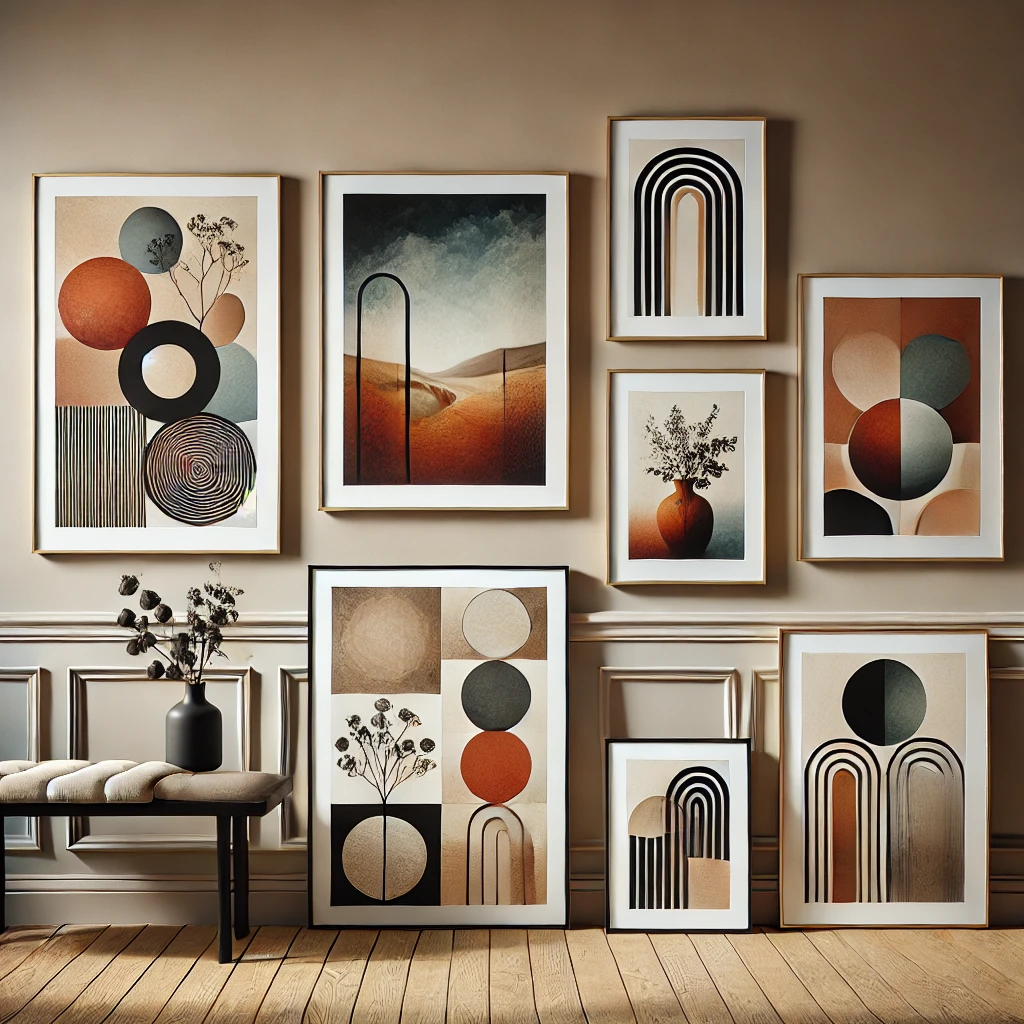
Why Online Art Galleries Are Becoming the Future of Art Collecting
The art world is undergoing a significant transformation, driven by rapid technological advancements and shifting societal norms. As technology advances, the way we collect and appreciate art is evolving. Online art galleries are at the forefront of this change, providing artists and collectors with new opportunities to interact with art in innovative ways. This article explores why online art galleries are becoming the future of art collecting, their advantages, and what this means for the art community.
The Rise of Online Art Galleries
In recent years, online art galleries have gained immense popularity, becoming a vital part of the art ecosystem. The convenience they offer is unparalleled; collectors can browse vast collections from the comfort of their homes, selecting pieces that resonate with them personally. They can discover emerging artists known for their unique styles and innovative perspectives without geographical limitations. This accessibility has democratized the art world, allowing more people to engage with art than ever before.
Moreover, the COVID-19 pandemic accelerated this trend as physical galleries were forced to close their doors temporarily. Artists and collectors alike turned to digital platforms to maintain their connection to the art world. According to a report by Art Basel, online sales in the art market surged during this period, highlighting the resilience of the industry. This shift has proven that online art galleries are not just a temporary solution; they are an integral part of the future art landscape. The resilience displayed by both artists and collectors during these challenging times has underscored the importance of adaptability in the art world.
Accessibility and Diversity
One of the most significant advantages of online art galleries is accessibility. Traditional galleries often cater to a specific demographic, frequently excluding potential collectors due to factors such as location, pricing, or lack of exposure to diverse art forms. In contrast, online platforms welcome a diverse audience, breaking down barriers to entry. This inclusivity fosters a richer art environment where various voices and perspectives are heard, celebrated, and valued.
Online art galleries provide unprecedented access to artwork from different cultures and backgro
Online art galleries provide unprecedented access to artwork from different cultures and backgrounds. Collectors can explore works from international artists they may never encounter in local galleries, broadening their perspectives and encouraging appreciation for global art movements. For example, an art enthusiast residing in a small town can discover contemporary African art or indigenous Australian artwork through a click of a button, enriching their understanding and appreciation of the world’s artistic heritage. This exposure can lead to a greater appreciation of cultural narratives and artistic expressions that may have otherwise remained unnoticed.
s and artists. You might discover a piece that resonates with you deeply, opening new avenues of artistic appreciation. Don’t hesitate to explore beyond your comfort zone; sometimes the most unexpected pieces can evoke profound emotions.
Affordability and Innovation
Another compelling factor driving the popularity of online art galleries is affordability. Online galleries often have lower overhead costs compared to brick-and-mortar establishments, meaning they can offer artwork at more competitive prices. Emerging artists benefit from this model as well, as they can showcase their work without the hefty fees associated with traditional gallery representation. This creates a more level playing field, allowing fresh talent to gain exposure and build their careers. For instance, a talented painter from a remote area can sell their artwork online, reaching buyers from all over the world without having to invest in a physical space.
Innovation plays a crucial role in the evolution of online art galleries. Many platforms leverage cutting-edge technology like virtual reality (VR) and augmented reality (AR) to enhance the viewing experience. These tools allow collectors to visualize art in their own spaces before making a purchase, bridging the gap between digital browsing and physical ownership. Imagine being able to project a stunning painting onto your living room wall virtually to see how it complements your decor! Such innovations create an interactive and engaging environment for art lovers, making the online shopping experience both enjoyable and meaningful. The integration of 3D modeling can also allow collectors to appreciate the texture and depth of a piece, providing a more comprehensive understanding of the artwork’s intricacies.
Case Studies of Successful Online Platforms
Several online art galleries have made significant impacts in the art world, leading by example and transforming how art is bought and sold. For instance, platforms like Saatchi Art and Artsy have revolutionized the landscape. Saatchi Art focuses on promoting emerging artists, providing them with a global platform to showcase their work. This commitment to supporting new talent is essential in an industry that often prioritizes established names over the next generation of creators. Saatchi Art’s model not only empowers artists but also enables collectors to discover unique pieces that might not be available in traditional galleries.
Artsy, on the other hand, combines art sales with a wealth of educational content. They offer articles, videos, and features on artists, making it easier for collectors to understand their investments. This approach not only promotes sales but also fosters a deeper connection between artists and collectors, enhancing the overall art experience. By providing context and stories behind the artworks, Artsy transforms a simple purchase into a more enriching and informed acquisition. Their platform often features interviews with artists, exploring their motivations and inspirations, which adds an invaluable layer of depth to the art collection process.
Challenges Faced by Online Art Galleries
Despite the numerous advantages, online art galleries face several challenges that need to be addressed for continued growth. One significant concern is the authenticity of artworks. With the rise of digital platforms, the risk of art fraud increases, which can undermine trust in the online art market. To combat this, many galleries implement stringent verification processes, ensuring that artworks are authentic and providing provenance information to collectors. Some even collaborate with experts and institutions to validate the authenticity of the pieces they sell. This transparency is crucial for building a trustworthy online art community.
Another challenge is the lack of physical interaction with art, which many collectors prefer. The tactile experience of viewing and appreciating art in person is an essential aspect of collecting for many individuals. To address this issue, some online galleries have begun offering return policies and trial periods, allowing collectors to experience the art in their own spaces before committing to a purchase. This practice not only reduces buyer’s remorse but also builds trust in the online purchasing process, assuring customers that they can feel confident in their choices.
Future Trends in Online Art Collecting
The future of online art galleries looks promising, with several exciting trends on the horizon. As technology continues to advance, we can expect more innovative features to enhance the online art experience. For example, the integration of blockchain technology could revolutionize how art transactions are conducted, enhancing transparency and security. By providing a secure and reliable way to track ownership and provenance, blockchain could give collectors peace of mind when investing in artworks. This technology could also facilitate fractional ownership, allowing multiple collectors to invest in high-value pieces together.
Additionally, social media will play a vital role in promoting online galleries. Artists and galleries can leverage platforms like Instagram and TikTok to reach wider audiences and showcase their works in dynamic and engaging ways. This trend has already begun, with many artists gaining recognition through their social media channels, creating a powerful virtual community around their art. The ability to connect directly with audiences allows for more organic growth and engagement, fostering a more personal relationship between artists and collectors. Moreover, social media can facilitate art challenges and collaborative projects, further enriching the community and promoting creativity.
Q&A: Understanding Online Art Galleries
As online art galleries continue to gain traction, many questions arise among potential collectors and art enthusiasts. Here are some common inquiries:
What types of art can be found in online galleries?
Online galleries feature a wide range of art forms, including paintings, sculptures, photography, digital art, and even mixed media. Whether you are looking for contemporary, traditional, or avant-garde art, there is something for everyone. Many galleries also curate themed collections, making it easier to find pieces that align with specific tastes or interests. Some galleries specialize in specific genres, such as street art or minimalism, catering to niche markets and collectors.
How can I ensure the quality of art purchased online?
To ensure quality, look for galleries that provide detailed descriptions, high-resolution images, and transparent return policies. Research the gallery’s reputation and read reviews from other collectors. Additionally, some galleries offer virtual consultations or viewing appointments, allowing you to ask questions and get expert advice directly from art professionals. Engaging in community forums dedicated to art collecting can also provide valuable insights and recommendations.
Are online art galleries a good investment?
Investing in art through online galleries can be rewarding, both financially and personally. However, it is essential to conduct thorough research on artists, their market trends, and the pieces you are considering. Consider purchasing pieces that resonate personally, as this can enhance the enjoyment and satisfaction of your collection. Art is not just an investment; it is also about passion and connection. As the market evolves, staying informed about emerging artists and trends can help collectors make more educated decisions.
What are some reputable online art galleries?
Some well-known online galleries include Saatchi Art, Artsy, Paddle8, and 1stdibs. Each platform offers unique features and focuses on different aspects of the art world, making it worth exploring multiple options to find the one that best suits your collecting style and preferences. Researching various platforms can reveal hidden gems and opportunities that align with your artistic vision.
Conclusion: Embracing the Future of Art Collecting
Online art galleries are undeniably becoming the future of art collecting. Their accessibility, affordability, and innovative features cater to a broader audience, making art collecting more inclusive than ever. As technology advances, these platforms will continue to evolve, offering new opportunities for both artists and collectors to thrive in the ever-changing art landscape.
While challenges exist, the benefits far outweigh the drawbacks. The art world is moving towards inclusivity, allowing diverse voices to be heard and appreciated. As more people embrace online galleries, the potential for growth and change is immense, paving the way for a vibrant and dynamic art community. The ongoing evolution of how art is presented and sold is a testament to the resilience and creativity of the art world.
In conclusion, whether you are an avid collector or a casual admirer, online art galleries provide an exciting avenue to explore. They offer a chance to connect with artists, discover unique pieces, and contribute to a vibrant art community. The future of art collecting is bright, and it is happening online, inviting everyone to be a part of this artistic revolution. The journey of discovering art through online galleries is not just about acquiring pieces; it’s about building relationships, expanding horizons, and fostering a deeper appreciation for the creative spirit that connects us all.
For further reading, consider exploring articles on digital art marketplaces, the impact of technology on contemporary art, and the growing influence of social media on art appreciation.
References:
- Art Basel — https://www.artbasel.com

Frank Jensen is a lifelong art enthusiast, collector, and co-owner of FineArtKlub. With a deep appreciation for contemporary aesthetics and limited-edition prints, he brings a collector’s mindset into every piece curated on the platform. Frank is driven by the belief that art should feel personal — something you return to, live with, and connect to over time.