
Certified Artist Editions: Why They Matter
Certified artist editions play a crucial role in fine art collecting, especially for collectors who care about authenticity, provenance, and long-term value. A certified edition confirms the artist’s direct involvement and distinguishes legitimate fine art prints from decorative or mass-produced reproductions.
As the art market becomes more accessible online, understanding what certified artist editions are — and why they matter — has never been more important. This guide explains how certification works, what a Certificate of Authenticity (COA) actually guarantees, and why collectors should always pay attention to edition details before purchasing art.
Understanding Certified Artist Editions
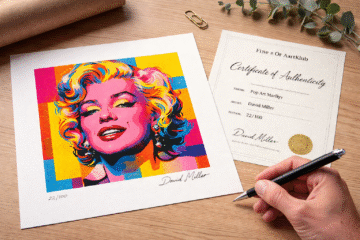
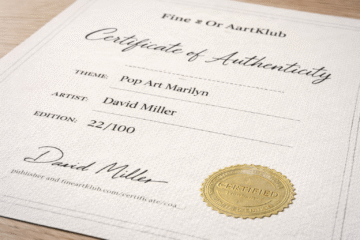
Certified Artist Editions refer to artworks that come with a Certificate of Authenticity (COA). A COA is a document that verifies the piece’s origin, authenticity, and the artist’s involvement. This certification is not just a formality; it serves as a protective measure for both buyers and artists. When an artwork is certified, it provides a guarantee that the piece is an original or a legitimate reproduction sanctioned by the artist. This is particularly important in an age where digital reproductions and counterfeits are becoming increasingly sophisticated.
The practice of issuing COAs has gained traction in recent years as the market for art has expanded. With the proliferation of online art sales, collectors must ensure the pieces they purchase are genuine. Certified Artist Editions provide that assurance, making them an essential aspect of contemporary art transactions. Furthermore, the rise of social media has empowered emerging artists to reach global audiences, often necessitating a robust certification process to protect their intellectual property and brand.
➡️ Limited edition fine art prints
The Importance of COAs in the Art World
COAs serve several purposes that enhance the overall value and trustworthiness of art transactions:
- Legitimacy: A COA affirms that the piece is authentic, which is crucial for the artist’s reputation and the collector’s investment. This legitimacy can significantly impact the secondary market value of the artwork. For instance, a painting by a well-known artist with a COA can appreciate significantly over time, while an unverified piece may stagnate in value.
- Protection: It protects buyers from fraud and misrepresentation, ensuring they receive what they pay for. In a market where counterfeit art can be prevalent, a COA is a necessary safeguard. This is especially vital in auctions or fairs where many pieces are on display, and buyers may not have direct contact with the artist.
- Value Appreciation: Certified pieces tend to appreciate in value more than unverified works due to their authenticity. Collectors can often see higher returns on investment with pieces that come with a COA. For example, artworks from certified editions often see a more stable increase in value, especially if the artist garners more recognition over time.
- Market Confidence: Artists who offer certified editions build trust within the collector community, leading to stronger sales. This confidence can foster a loyal customer base that supports the artist’s future endeavors. When collectors know they are purchasing certified works, they are more likely to invest further in the artist’s portfolio.
The Process of Certification
Obtaining a Certificate of Authenticity typically involves a thorough process. Artists or galleries often have to provide documentation that traces the artwork’s provenance. This may include receipts, exhibition records, or photographs of the work during its creation. Provenance is crucial as it establishes the history of the artwork, which is often a key factor in its value. For instance, if a painting was exhibited in major galleries or has been part of significant collections, its provenance can greatly enhance its market value.
Once the necessary paperwork is gathered, an independent appraiser or the artist themselves usually issues the COA. This process ensures that the certification is credible and trustworthy. In some cases, especially with digital art, the certification process can involve blockchain technology, adding another layer of security and verification. Blockchain not only helps in verifying the authenticity but also allows for transparent tracking of ownership, which is particularly beneficial in the digital art space where reproductions can be easily made. The utilization of blockchain for art certification is a growing trend, as it offers an immutable record that can significantly reduce the chances of forgery.
Examples of Certified Artist Editions
Many renowned artists offer Certified Artist Editions. For instance, famous contemporary artists like Damien Hirst and Banksy have developed methods to certify their work, ensuring their pieces reach collectors with guaranteed authenticity. Banksy, known for his street art and subversive themes, has even used technology like QR codes to link physical pieces to their digital certificates, creating a seamless connection between the two realms. Similarly, renowned artist Yayoi Kusama has ventured into certified editions, utilizing her iconic polka dot designs, which are now part of limited edition prints that come with COAs. Even emerging artists are beginning to embrace certification as a way to build their reputations and enhance their marketability, often using social media platforms to promote their certified editions to a broader audience.
The Buyer’s Perspective
For art buyers, understanding Certified Artist Editions is crucial. When investing in art, buyers should consider the following:
- Research: Investigate the artist and their certification practices. Knowledge is power in the art market. Familiarizing yourself with the artist’s history, style, and previous sales can provide insights into the potential value of their work. Online platforms and art databases can be excellent resources for this research.
- Verification: Always look for COAs and, if possible, purchase from reputable galleries or directly from artists. This reduces the risk of encountering fraudulent pieces and ensures that you obtain the artwork in its best condition. Engaging with galleries that have a strong reputation can help mitigate risks associated with art purchases.
- Investment Potential: Certified works often hold their value better than uncertified pieces, making them a wise investment. Understanding market trends and the artist’s trajectory can further inform buying decisions. Art investment groups and forums can provide valuable insights into which certified pieces are likely to appreciate in value.
Buying art is not just about aesthetics; it’s also about making informed decisions that protect your investment. Certified Artist Editions alleviate some of the risks associated with art purchasing and can provide peace of mind for collectors. Furthermore, having a collection of certified pieces can enhance one’s status within the art community, as it is often perceived as a sign of discerning taste and knowledge in art collecting.
Challenges in Certification
While the concept of Certified Artist Editions is beneficial, challenges remain. The art market can be fraught with misinformation, and not all artists adhere to certification practices. Additionally, the rise of counterfeit art poses a significant threat to collectors. Fraudulent works without legitimate COAs can easily deceive unsuspecting buyers, leading to significant financial losses. Art fairs and auctions, while exciting, can also present challenges to buyers who may feel pressured to make quick decisions without thorough verification.
To navigate these challenges, collectors must remain vigilant. Working with trusted galleries and experts can mitigate the risks associated with art purchases. Engaging with the art community through forums, social media, and local art events can also provide valuable insights and recommendations for reliable sources. Participating in workshops and discussions can also deepen one’s understanding of the certification process and the importance of provenance in art transactions.
The Artist’s Perspective
For artists, offering Certified Artist Editions can enhance their professional credibility. It allows them to control their brand and how their work is represented in the market. Additionally, certification can lead to greater financial returns. Artists who provide COAs can often charge higher prices for their work, knowing buyers value authenticity. This practice can also help artists establish a loyal following of collectors who appreciate the transparency that comes with certified editions. An artist’s commitment to providing COAs demonstrates a respect for their audience and an understanding of the market dynamics.
Moreover, a COA can help establish an artist’s legacy. As their work gains recognition, having a documented history increases the likelihood of their pieces being valued in the future. This foresight can be particularly important for emerging artists, as a strong foundation of credibility can significantly influence their career trajectory. Many artists choose to include personal anecdotes or stories behind their works in their COAs, adding emotional value that can resonate with collectors.
Building Trust Through Certification
Building trust is essential in the art world. Certified Artist Editions foster a sense of community and mutual respect between artists and collectors. When artists commit to certification, they demonstrate a dedication to transparency and integrity. This commitment can lead to long-lasting relationships with collectors and art enthusiasts, encouraging repeat purchases and referrals. Moreover, artists who actively promote their certified editions often find themselves participating in more exhibitions and collaborations, further enhancing their visibility and reputation in the art market.
Q&A: Common Questions About Certified Artist Editions
As the interest in Certified Artist Editions grows, so do the questions surrounding them. Here are some common inquiries:
What happens if a COA is lost?
In cases where a COA is lost, it can be challenging to prove authenticity. Some artists may provide a replacement COA if contacted directly, while others may require additional proof of purchase. It’s advisable to keep thorough records of your art purchases to facilitate any necessary replacements. This could include photographs of the artwork alongside the original receipt or any correspondence with the artist or gallery.
Are all limited editions certified?
No, not all limited editions come with a COA. It is essential to verify whether a piece is certified before making a purchase, as this can significantly affect its value and resale potential. Limited editions can vary widely in terms of authenticity practices, so thorough research is critical. Understanding the artist’s distribution methods and whether they have a history of providing COAs for their limited editions can help clarify this issue.
How do I find reputable artists or galleries?
Researching online, attending art fairs, and seeking recommendations from fellow collectors can help identify reputable sources. Additionally, look for galleries that specialize in Certified Artist Editions and have a track record of successful transactions. Engaging with art communities, both online and offline, can also yield valuable insights into reliable artists and galleries. Joining local art clubs or visiting university art programs can introduce you to emerging talents and established names who prioritize certification.
Can digital art be certified?
Yes, digital art can be certified. Many artists use blockchain technology to authenticate digital works, providing a secure method for certification. This technology not only enhances the security of digital art but also allows for unique identification and ownership, which is essential in a market where digital reproductions are easily copied. Platforms like Async Art are pioneering the way for certified digital artworks, allowing artists to create programmable art that can change over time, which is documented through COAs.
Conclusion
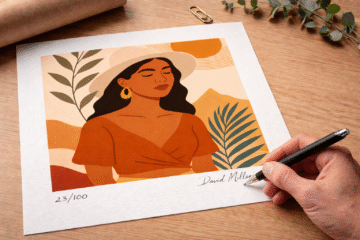
Certified Artist Editions hold significant importance in the realm of art collecting. They provide a layer of trust and assurance that benefits both buyers and artists. As the art market continues to evolve, understanding the role of COAs becomes increasingly crucial. For collectors, these certifications protect their investments and ensure they acquire genuine pieces. For artists, they offer a means to establish credibility and enhance their market presence.
The future of art collecting will undoubtedly see more emphasis on certification as the market expands and evolves. By recognizing the value of Certified Artist Editions, both collectors and artists can navigate the art world with confidence and integrity. Always prioritize authenticity and seek out certified works to enrich your collection and support the artists behind them. Engaging with the community and participating in art events can further enhance your experience as a collector, fostering relationships that can benefit your art journey for years to come.
For further reading, consider exploring articles on the importance of art certification and how to collect art effectively. These resources can provide additional insights into the intricacies of art collecting and certification.
References and external links

Understanding certified artist editions is essential for anyone serious about collecting fine art. Beyond certificates and edition sizes, knowing what an edition means in fine art helps collectors make informed decisions and distinguish true artist involvement from decorative reproductions.

Frank Jensen is a lifelong art enthusiast, collector, and co-owner of FineArtKlub. With a deep appreciation for contemporary aesthetics and limited-edition prints, he brings a collector’s mindset into every piece curated on the platform. Frank is driven by the belief that art should feel personal — something you return to, live with, and connect to over time.