
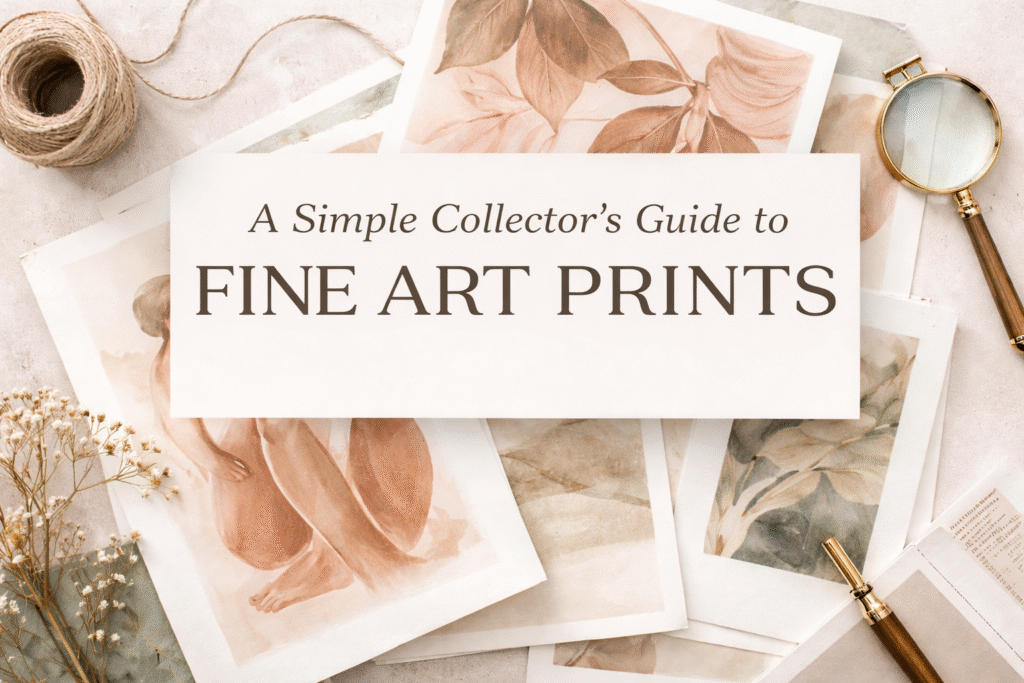
Fine Art Prints Buying Guide (Fine Art Klub): How to Choose Museum-Quality Prints That Last
Buying art online can feel overwhelming because “print” can mean anything from a cheap poster to a museum-grade edition. The fastest way to shop confidently is to learn a few simple quality signals—printing method, paper, and edition transparency—and then match them to your style and space.
If you want the big-picture overview first, bookmark this: complete fine art prints guide: types, quality levels, and how to buy.
What counts as a “fine art print” (with real-world examples)
A fine art print is designed to preserve the artwork’s nuance—tone, detail, depth, and atmosphere—using higher production standards than mass décor. Think of it as an art object, not just an image.
Typical “fine art” scenarios
-
Collectors buying a limited edition they’ll frame and keep for years
-
Interior-focused buyers choosing art as a long-term anchor piece for a room
-
Gift buyers who want something elevated (not mass-produced)
-
Artists releasing numbered editions with consistent quality across the run
What it should feel like in your hands
-
substantial paper weight (not floppy)
-
matte or lightly textured surface that feels intentional
-
clean edges and consistent margins
-
color that looks calm and “natural,” not overly glossy or neon
A helpful way to judge “fine art” quality is to imagine the print in three contexts: (1) framed under natural daylight, (2) viewed from across a living room, and (3) held in your hands before framing. Cheap prints often look acceptable in a small thumbnail but lose depth on the wall—shadows flatten, highlights feel harsh, and the surface can reflect light in a distracting way. Fine art prints hold up in all three contexts: they feel substantial, read clearly from a distance, and reward close viewing with subtle texture and tonal smoothness.
Quick checklist: fine art quality vs poster quality
Here’s a simple way to tell what you’re looking at:
Fine art print usually has
-
museum-grade paper (cotton rag / fine art paper)
-
a matte, glare-reducing finish (often)
-
clear info about process and materials
-
edition details if it’s limited
Poster / low-cost print usually has
-
thinner paper
-
less stable inks (often)
-
glossy shine or flat “one-layer” color
-
vague product descriptions
-
no edition transparency
Want the full comparison in one place? fine art prints vs posters: what lasts, what fades, and why it matters.
If you’re evaluating a product page, look for transparency signals. A fine art brand will often mention the print method (giclée/pigment), the paper type (cotton rag, archival fine art paper), and the finish (matte, textured, etching-style). Poster sellers usually focus on the image and sizes, while skipping material specifics. Another quick tell is how blacks look: posters often have shiny, “plastic” dark areas, while pigment-on-matte paper produces deeper, softer blacks. Finally, check consistency: if every product description is copy-pasted without material details, it’s usually not premium production.
Giclée printing explained (and when it’s the best choice)
“Giclée” generally refers to high-resolution inkjet printing with archival pigment inks. Collectors and design lovers prefer it because it can reproduce subtle gradients and delicate detail without looking harsh or overly digital.
Where giclée makes a visible difference
-
Skin tones and soft portrait shading (no banding, smoother transitions)
-
Muted palettes (beige, sand, blush, warm neutrals) that can look “flat” on cheap prints
-
Minimalist art where texture and paper finish do half the work
-
Watercolor-style artwork where softness and paper feel are part of the aesthetic
For a deeper dive into standards and materials, read: giclée printing on Hahnemühle paper: what “museum-grade” really means.
Giclée isn’t magic by itself—it’s a method that reaches its full potential only when color management and paper choice are done well. That’s why two “giclée” prints can still look different in quality. In premium production, the file is prepared with correct profiles, the printer is calibrated, and the paper is chosen for the artwork (not chosen only for cost). This is especially noticeable in artworks with large areas of subtle color: skies, skin, neutral gradients, soft shadows, and delicate linework. If you love calm, sophisticated art, giclée is often the best route to keep the original mood intact.
Why paper matters: choosing the right finish for your style
Paper is not just a carrier—it changes how the artwork reads in your space. The white tone (bright vs warm), the texture, and the ink absorption can shift the entire mood.
Paper finish examples (easy way to choose)
-
Smooth matte cotton rag: clean, modern, calm; best for minimalist interiors and subtle gradients
-
Textured fine art paper: tactile, artisanal feel; great for painterly, organic, or illustrative work
-
Warmer-toned paper: cozy and natural; perfect for boho, earthy palettes, and warm neutrals
Practical tip for real homes
-
Bright rooms with windows: matte papers reduce glare and stay elegant all day
-
Dimmer rooms: a slightly warmer paper can add softness and warmth to the art
If you want the “premium cues” checklist (what to look for in photos and product details), use: how to spot premium fine art prints: unique details that signal quality.
To choose paper like a collector, match the paper’s “personality” to the artwork. Smooth matte cotton rag often makes modern portraits and minimalist pieces feel expensive and calm. Textured papers can add depth and “handmade” character, especially for painterly or botanical themes. Paper tone matters too: a bright white paper can make colors look crisp and contemporary, while a warmer natural paper can make neutrals feel softer and more organic. If you’re unsure, think about your interior finishes—warm woods and beige walls usually pair beautifully with warmer papers, while cool whites and modern spaces often suit brighter papers.
Limited edition numbered prints: what buyers should check
Limited editions are most valuable when they are transparent and consistent. “Limited” should never be vague.
A buyer-friendly limited edition should include
-
edition size clearly stated (e.g., 50 total)
-
numbering format (e.g., 7/50)
-
consistent paper + process across the full run
-
clear product description (paper, inks, finish)
-
optional but great: certificate of authenticity or edition notes
If you’re new to this, start here: limited edition numbered prints: a buyer’s checklist and explanation.
When you buy a limited edition, you’re buying both the artwork and the structure around it. Transparent editions help protect buyers from vague claims like “limited” with no number, no standard, and no consistency. In a collector-friendly setup, the edition size is fixed, the numbering is clear, and the print standard is repeatable—same paper, same method, same quality control across the run. If the brand offers certificates, that’s a bonus, but clarity in the product description matters more. A good rule: if you can’t understand what makes the print special in 30 seconds, ask questions before buying.
Where to place art: room-by-room examples
If you’re unsure what to buy, match art to the function of the space:
Living room (anchor piece)
-
choose larger sizes or a set that fills visual weight
-
prioritize premium paper and framing because it’s “always on display”
Bedroom (calm + personal)
-
softer palettes, matte finishes, gentle textures
-
giclée on cotton rag often looks especially refined here
Hallway (gallery wall opportunity)
-
mix small/medium works; keep a consistent palette or theme
-
use consistent frames for cohesion
Home office (focus + mood)
-
choose art that supports the mental state you want: calm, energy, creativity
-
textured papers can add depth without being distracting
A simple placement trick is to think in “viewing distance.” In a living room, most art is seen from 2–4 meters away, so bold composition and clear shapes matter. In a hallway, people walk close, so smaller works and textured papers feel more rewarding. In bedrooms, glare can be annoying—matte finishes are usually the best. And in an office, choose pieces that support the mood you need: soft abstracts for focus, energetic color for creativity, or clean minimalism for calm. When you match art to the way you move through a space, it feels instantly more intentional.
Discovering your taste (so you stop buying “random” art)
A quick exercise collectors use:
-
Save 20 artworks you love (Pinterest, Instagram, gallery sites).
-
Circle what repeats: subject, color palette, softness vs contrast, minimal vs detailed.
-
Use those patterns as your buying filter.
For broader contemporary inspiration and discovery, you might enjoy ArtFunkie: contemporary art inspiration and discovery.
To make this even more practical, try naming your taste in three words—examples: “soft + earthy + minimal,” “bold + graphic + playful,” or “calm + feminine + modern.” Then test new pieces against those words before buying. Also notice the emotional effect: do you want your space to feel serene, energetic, romantic, or grounded? Art that matches a feeling tends to stay relevant longer than art you buy just because it’s trending. Once you understand your taste pattern, shopping becomes faster and your walls show cohesion even if you buy from different artists over time.
Final takeaway: buy once, love longer
When you choose archival inks, museum-grade paper, and clear edition info, you’re buying more than a picture—you’re buying a piece that can keep its depth and presence through seasons, moves, and changing trends. Learn the quality signals once, then let your taste lead.
And if you want the full “start-to-finish” foundation, keep this bookmarked: complete fine art prints guide: everything buyers should know.
The goal isn’t to become a printing expert—it’s to become confident enough to recognize quality. Once you know the core signals (pigment inks, fine art paper, transparency, edition clarity), you can focus on what matters most: choosing art you genuinely connect with. Your collection will naturally improve over time because your eye becomes more selective. And when you invest in quality production, you can frame with confidence, gift with pride, and build a home that feels curated rather than “decorated.” Collecting becomes less about impulse and more about intention—and that’s where art starts to feel like part of your life.

Frank Jensen is a lifelong art enthusiast, collector, and co-owner of FineArtKlub. With a deep appreciation for contemporary aesthetics and limited-edition prints, he brings a collector’s mindset into every piece curated on the platform. Frank is driven by the belief that art should feel personal — something you return to, live with, and connect to over time.