
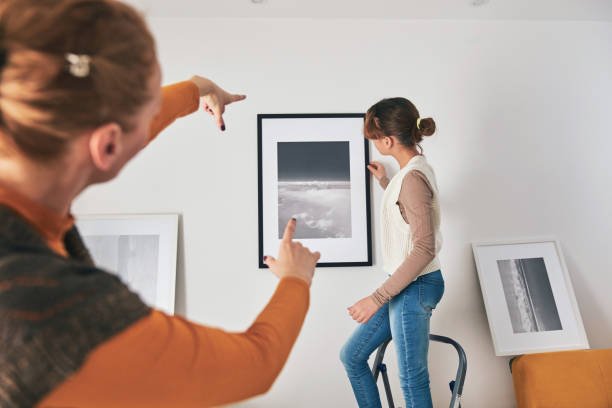
Choosing the Right Size Fine Art Print for Your Space
Choosing the appropriate size of the working piece of art can change a room. The right size is that which balances the wall, matches the furniture, and adds the entire sense to the wall. Using a fine art print size guide helps collectors, decorators, and first-time buyers feel confident when making a choice.
The key to size, proportion, and perceiving distance is so that you do not have a print that seems too tiny and takes up the area excessively. The correct sizes bring out a balance and can make your work of art shine, either in a living room, a hallway or the office.
Here you can read: How to hang art like a professional
Why Size Matters
A tiny print on a huge wall might appear to be lost, and a big work in a little room might look claustrophobic. Fine art print size guide principles help determine ideal dimensions based on wall area, furniture placement, and room function.
Scale impacts perception. Bigger prints are very catchy and a statement maker and smaller pieces are very quiet and personal. The right size also takes into consideration the distance of viewing, a major difference is that bigger size of the print is better viewed at a distance whereas a smaller print can be viewed closely.
By following these rules you are guaranteed to give a sense of purpose, harmony, and perceived balance to your art in the space.
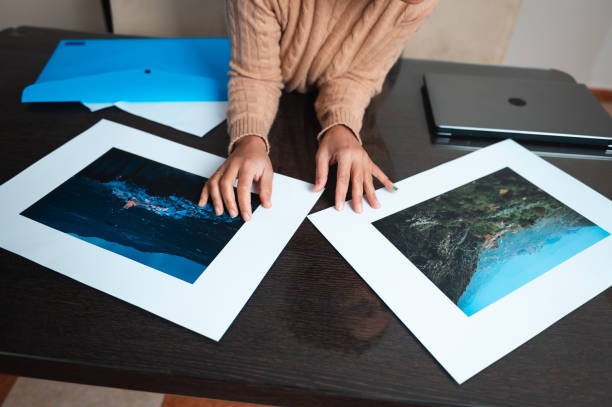
Calculating Room Print Size.
The rooms need varied mechanisms. Big statement prints are used to turn rooms into galleries with certified prints. Medium or small prints are used to produce a personal and relaxed atmosphere to the bedrooms or small spots.
A fine art print size guide can help you visualize proportions. As an example, a print over a sofa should preferably not be less than two-thirds or three-quarters the width of the furniture. Hallways have enjoyed the advantage on having a set of smaller prints in a linear order.
You can also choose prints that look natural and not forced to maximize the decor and enjoyment of the collector by keeping in mind the space of the room and its purpose.
Finding the correct and akin wall type to print.
The characteristics of the wall influence the placement of prints. Big blank walls suggest big and oversized paintings and walls with windows or shelfs demand smaller and more tactical location.
A fine art print size guide emphasizes the relationship between print, wall, and surrounding elements. Balance is provided by proper spacing of wooden frames to elevate art display, spacing between, and spacing of frames as well as the floor. It is the atoms of flow that ensure that the eye moves at ease through the space.
Cluster prints or use a gallery-like system to balance multiple wall features, letting each shine with gallery-level giclée print detail for maximum beauty.
Becoming Familiar with Scale and Proportion.
Scale is described as the association of the print with the room or furniture. Proportion makes all elements of your space to be compatible. A big print on a small console may be clumsy whereas a list of medium sized prints may create rhythm and provide interest to the eye.
Using a fine art print size guide helps quantify ideal sizes. Most instructions recommend that one should have 60-75 percent of space above furniture to have the best balance of artwork. Vertical and horizontal alignments appeal to viewer experience as well and direct attention to the most crucial parts of the composition.
Scale and proportion being the aspects that matters, prints are complementary to the room instead of competing with it.
Viewing distance consideration Viewing distance denotes the distance between the focal lenses and the object one views; this may be understood simply as the distance within which the viewer continuously notices the details of the viewed object.<|human|>Taking into account Viewing Distance Viewing distance is the distance between the focal lenses and the object to be seen; this could be simply seen to be the distance in which the viewer will continuously observe the details of the seen object.
It is important to see distance in fine art prints. Big prints have to be spacious so that they can be seen at a distance. Limited works are pleasing to close examination. The fine art print size guide helps determine the ideal viewing distance, typically one-and-a-half to two times the diagonal measurement of the print.
Practically, the widest size print of 36 inches should be seen at a distance of approximately five to six feet. This guideline will make sure that one does not strain his eyes due to overuse of color and detail; nor does one create disproportion or imbalance in composition.
Overprinting and Gallery Making.
Organizing prints can be used to maximize space but control size. It can be used to make a gallery wall by placing several medium or smaller pieces of paintings and transforming plain walls into gallery spaces.
A fine art print size guide helps in planning spacing, alignment, and layout. Groups of excluding of clutter: consistent edges and rhythm on the page help in the focus on each separate piece. The display is created with having complementary prints and mats to make the display look full and classy.
Curated collections enable a level of flexibility so that collectors can always add new pieces to their space, as well as balancing out some aesthetics.
Practical Tips for Buyers
The walls and furniture should be measured and the prints chosen.
- Use the fine art print size guide to estimate ideal dimensions.
- Take into consideration the scale, proportion and viewing distance.
- Plan gallery booking in case using many pieces.
- Choose framing, which boosts the presentation and does not overwhelm the print.
By following these tips, there will be less anxiety and your painting will always be meaningful in any room. Collectors are more assured and make considerate choices with regard to size, style, and placement.
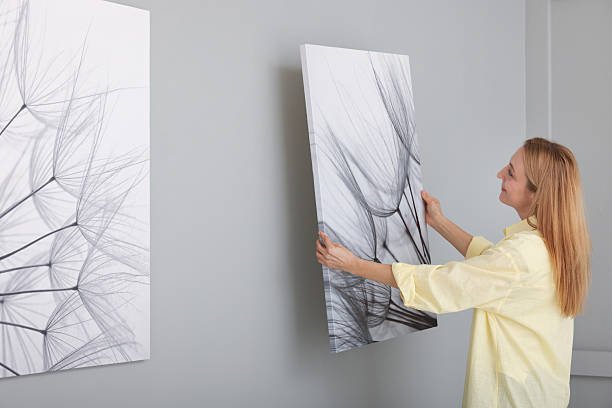
Conclusion
Selecting the perfect size of your prints is changing how you live and increase pleasure. A fine art print size guide helps collectors navigate scale, proportion, and viewing distance. Reflecting on the type of room, wall appearance, and individual tastes, buyers will not make any incorrect choices and purchase the prints that seem to be purposeful and belonging.
Stated pieces and other art utilized in the setting of a gallery exhibit should always be in their proper place, and this makes the space look better without looking like it was captured randomly. After a place of great consideration, collectors are able to indulge in both the aesthetics and practicality placement of each print, so that every print will be able to make an impact on its location.
FAQs: Fine art print size guide
What is the way of telling that a print is too big to fit my wall?
The easiest rule is to make artwork occupy no more than 6075% of the furniture or portion of the wall. The fine art print size guide can help calculate proportions visually.
Is it possible that smaller prints can be used in big rooms?
Yes. Several little prints well spaced out may make a gallery effect, as it is not overpowering the space.

Author bio – Dia Moreau
Dia Moreau is an artist and editorial contributor at FineArtKlub, where she works closely with the team to shape the visual direction, refine content, and ensure that every piece published reflects a consistent artistic standard.
Her background combines practical studio work with a deep interest in how art is experienced, collected, and understood in everyday life. Alongside her role in developing content and maintaining the platform, she continues her own artistic practice, focusing on contemporary portrait work and expressive compositions.
Dia approaches art with a quiet, deliberate mindset. She believes that strong work does not need to be explained loudly - it needs to be felt, lived with, and returned to over time. This perspective is reflected in the way she writes, edits, and curates content for FineArtKlub.
Her contributions often focus on helping collectors make more confident decisions, understanding the subtle differences between decorative and meaningful art, and creating a slower, more intentional approach to collecting.
At FineArtKlub, Dia plays a central role in connecting the artistic vision with the collector’s experience - ensuring that what is presented is not only visually compelling, but also lasting in value and presence.