
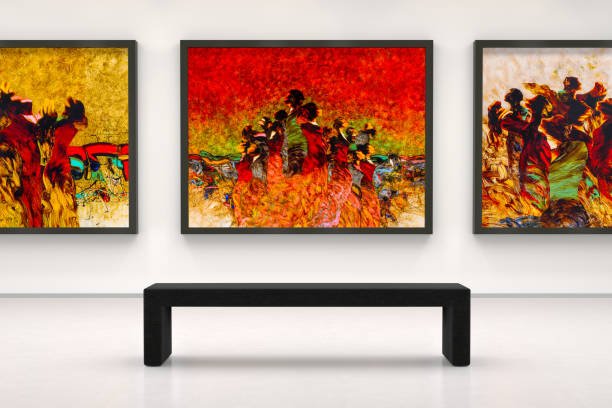
What Makes Fine Art Prints Museum Quality.
museum-quality fine art prints
In gathering art, it is necessary to know the distinction between the common prints and the fine art prints in a museum. Posters are ornamental but museum-quality prints are designed to be of professional-standard exhibitions. The museum-quality fine art prints are accurate, durable, and authentic which are some of the qualities appreciated by the collectors.
Quality prints that qualify as museum are not mere reproductions. These are a blend of the finest materials, the latest printing techniques and preservation techniques. They are the factors that guarantee that the artwork will preserve its image and worth in a span of decades. Knowing what makes these prints unique will enable customers to make purchases with knowledge and preserve Limited Editions and Collector Value.
This article explores the defining factors of museum-quality fine art prints, including paper, inks, printing, longevity, and why they justify premium pricing.
Museum-Quality Print Museum Paper Standards.
Paper is the foundation of museum-quality fine art prints. Museum-grade sheets are heavy, and made of acid-free paper that is archival grade and not intended for high usage by the masses, as this particular paper type is costly and poses no harm. These features inhibit discolouring, hardness and wear and tear.
The color appearance and paper weight influence inks in the absorption and display of colours too. Good paper gives depth, tonal range and clarity of the visuals. The collectors have the knowledge that a beautiful paper will be preserved with its beauty and value. Learn why museum-grade paper matters.
The Role of Inks in Longevity
Paper is of the same essence as inks are. Museum-quality fine art prints use UV-stable, archival pigments. These inks do not fade under sunlight and have has fidelity of colour decades.
Archival inks are applied to ensure that the work is made to appear the way the artist wanted. It also secures investment and collectors confidence. The UV-stable archival pigments can be found here.
Quality Defining Methods of Printing.
Museum quality prints are highly distributed through the high-resolution giclee printing. It is an incredible reproduction of the work of this artist with its tiny tones and even features.
Every print is separately made under the professional control. It will enable uniformity in the versions without compromising the originality of the piece of art. One can find more information on from studio to wall museum-quality prints, here:
Giclée on the paper with museum grade allows the highest quality of accuracy plus durability to be achieved producing something much better than an ordinary poster.
Lifespan and Mission Statements.
Museum-quality fine art prints are built to last. The right paper, ink and printing methods make it long lasting that can last between 50 and 100 years.
Archival-guarantees and certificates of authenticities helps to guarantee collectors that the art is authentic and secure. These certificates can help distinguish the fine art prints in case they are not a reproduced decoration and allow them to rely on the long-term worth.
Specialists in the galleries and sites such as Fineartklub recommend correct storage, framing and displaying to increase the lifespan of a picture.

The difference between Fine Art Prints and Posters.
The distinction between museum-quality fine art prints and posters is clear. The fine art prints are printed with the best material, the exact printing process, and in archival grade ink. Posters tend to be cheap in terms of paper and ink and not very durable and would not portray the exact colour.
Authentication is also incorporated in fine art prints as edition numbers, signature or certificates. The provenance of posters is not true that is why they have little collector and resale value.
Collectors know that investing in museum-quality fine art prints provides lasting aesthetic and financial benefits. See the process through which gallery-level giclée on museum papers
The reason Museum Quality warrants a Premier Price.
The high price is defendable since these prints are of a good quality, durable; they are very authentic. Customers are buying materials and processes that can last and be faithful to aesthetic.
Crafted on paper of excellent quality, the use of archival inks, and printers gives one a collectible work which does not lose its beauty, or its value. Exclusive versions, adequate records and museum sponsorship increase trust and consumer confidence.
Collector Perspective
Collectors value museum-quality fine art prints for authenticity, durability, and exhibition readiness. Such prints constitute the basis of serious collections.
Museum quality prints do not have to be all mere decoration. It Favors long-term value, Limited Editions and Collector Value and having a more intimate relationship to the work of the artist.
The Fact Sheet: Buying Museum Quality Prints.
- Endorse that paper quality is achieve and acid free.
- Make sure inks are non-reactive and passive.
- Ensure that printing technique is professional e.g. giclée.
- Search on certificates, editions numbers and signatures.
- Do not overcrowd display and storage with recommendations of galleries and platforms.
These steps ensure buyers do not fall into standard reproductions and get hold of original and long-lasting works.
Conclusions: museum-quality fine art prints
Museum-quality fine art prints combine premium paper, archival inks, and professional printing to produce durable, authentic, and visually stunning artwork. Their premium pricing is due to longevity, archival assurances as well as edition inspection.
Investors also have the benefit of investing in museum-quality prints as it retains beauty, promotes Limited Editions and Collector Value and resists the test of time.
Knowing what makes a difference between museum-quality prints and posters would enable the buyer to make well-informed decisions. These prints are not mere decorative, they are permanent investments, that are in place and meant to remain as well as the vision of the artist to the generations to come.
FAQs
Is it ever possible to have a poster that qualifies as museum quality?
No. Posters are made on inferior paper and ink and they do not have the same archival guarantees and cannot last as long as prints of fine art.
So, what is the lasting time of the museum quality prints?
These prints have a lifespan of between 50-100 years or more with the right care they can preserve their colour, definition and integrity.

Author bio – Dia Moreau
Dia Moreau is an artist and editorial contributor at FineArtKlub, where she works closely with the team to shape the visual direction, refine content, and ensure that every piece published reflects a consistent artistic standard.
Her background combines practical studio work with a deep interest in how art is experienced, collected, and understood in everyday life. Alongside her role in developing content and maintaining the platform, she continues her own artistic practice, focusing on contemporary portrait work and expressive compositions.
Dia approaches art with a quiet, deliberate mindset. She believes that strong work does not need to be explained loudly - it needs to be felt, lived with, and returned to over time. This perspective is reflected in the way she writes, edits, and curates content for FineArtKlub.
Her contributions often focus on helping collectors make more confident decisions, understanding the subtle differences between decorative and meaningful art, and creating a slower, more intentional approach to collecting.
At FineArtKlub, Dia plays a central role in connecting the artistic vision with the collector’s experience - ensuring that what is presented is not only visually compelling, but also lasting in value and presence.