
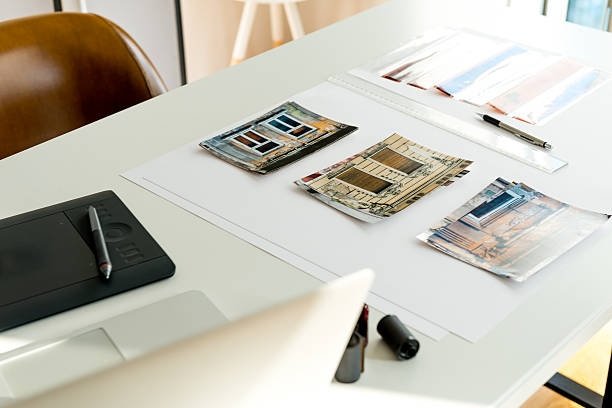
How to Start a Fine Art Print Collection
Start a Fine Art Print Collection
Starting an art collection can feel overwhelming, but start a fine art print collection offers a manageable, confidence-building entry into the world of collecting. Fine art prints offer affordability, accessibility and a means of experiencing the art you love and still thinking of long term benefits.
This is a guide that would assist beginners in their initial purchases. It addresses the budgeting, type of the edition, quality indicators, and hints to create a collection that would bring pleasure and possible investment price. The collectors will be provided with a simple model to minimize anxiety and make the informed, considered decisions.
Get acquainted with the how to start an art collection career:
Define Your Goals and Budget
You need to make your mind up on what you want before you buy. Do you buy to enjoy the aesthetic experience or because of future resale or both? It will be best to define what you want to buy.
Budgeting is critical. Prices of prints by fine art are different. With a set budget you will work on pieces that achieve your results without breaking the budget is set. Starting small is smart. Although small selection of prints may be taken, it can be the basis of meaningful collection.
Edition Overview: Edition types in various cultures are described, allowing readers to identify which edition they are reading either by page number or title.
The editions contribute to the value and collectability. Limited editions include a strict print quantity that in many cases is signed and hand numbered. Such editions have a tendency of holding or appreciating.
It is printed in open editions which have no limit and are less costly but they are not scarce. Hand embellished, hand finished, and hand touched prints also provide extra hand-crafted and distinctiveness, which adds aesthetic value as well as the value of collectors.
The type of edition that you take hinges on your ambitions and reimbursements. Areas with limited editions offer prestige and future worthily and a more open one offers exploration and experimentation. Find out why collect prints now is a good idea at this time.
Quality Markers to Look For
In the process of beginning a collection search indicator of quality. These comprise archival documents, UV resistant inks and professional printing technologies such as giclée. Whenever the quality of print is that of the museum level, the print is likely to retain its look and value as time passes by.
The participation of the artist in art, hand touches or signature, is an indication of authenticity and personal attachment. A certificate of authenticity and obvious numbering of the editions are further assuring and golf-club trust. To evaluate prints best practices for art collectors should be followed:
Introduction to creating your own finance portfolio.
Get small and remember to concentrate in works that you can identify with. Select prints that are to your taste and that can also be money-saving. Slowly increase by diversifying through the artists, styles, and types of editions.
Write down every purchase. Store certificates, receipts and information on editions. This creates provenance, which not only makes it exciting to the end user but prospective resale is also relevant.
The collectors get the advantage of integrating fun and strategic decisions. Discerning Investment Fine Art Investment Fine art investment Fine art investing is an area of investment focused on explaining why careful choice can foster the interests of a passionate collector and the long term value.
Display and Care
Proper display and handling make prints have good conditions. Use acid free mats, UV protecting frameworks and do not subject it to direct sunlight or excessive water. Even simple treatment which can be done guarantees that your collection is both beautiful and investor worthy.
Framing also enables the printing to make themselves residents of your living room and smart fun may be enjoyed with historian worth.
Practical Advice on how to minimize Overwhelm.
- Be sure to have goals and budget before you buy.
- Begin with small or limited edition prints in order to gain trust.
- When the archives are involved, quality indicates such as an archival paper, ink one that was utilized though its structure was made of an ink that was not being loaded by a computer.
By following this framework, beginners can start a fine art print collection without stress while building a foundation for future growth.
Conclusion: Start a Fine Art Print Collection
To start a fine art print collection, focus on a simple, confidence-building framework: define your goals, set a budget, understand edition types, and look for quality markers. These steps will make the difference between overwhelming and informed collecting decisions in the various components by the collector.
A small collection of carefully selected prints gives you the opportunity to appreciate art instantly and also to create a substantial collection as time goes on. Best practice is a foundation that gives the collector aesthetic satisfaction and future value potentiality.
FAQs
Would I be able to use a low budget to begin with a collection?
Yes. Fine art Hollywood print is affordable to a wide range of budgets. Make a wise selection of one or two purchases, and grow at a slow pace.
Is it better to concentrate on limited editions?
Small edition is better to get collector value, but lower-end versions, such as open editions or low-priced signed prints, can be rewarding to an entry level collector.

Author bio – Dia Moreau
Dia Moreau is an artist and editorial contributor at FineArtKlub, where she works closely with the team to shape the visual direction, refine content, and ensure that every piece published reflects a consistent artistic standard.
Her background combines practical studio work with a deep interest in how art is experienced, collected, and understood in everyday life. Alongside her role in developing content and maintaining the platform, she continues her own artistic practice, focusing on contemporary portrait work and expressive compositions.
Dia approaches art with a quiet, deliberate mindset. She believes that strong work does not need to be explained loudly - it needs to be felt, lived with, and returned to over time. This perspective is reflected in the way she writes, edits, and curates content for FineArtKlub.
Her contributions often focus on helping collectors make more confident decisions, understanding the subtle differences between decorative and meaningful art, and creating a slower, more intentional approach to collecting.
At FineArtKlub, Dia plays a central role in connecting the artistic vision with the collector’s experience - ensuring that what is presented is not only visually compelling, but also lasting in value and presence.