
Why Ethical Fine Art Matters to Modern Collectors
Collector today tends to be more concerned with sense as well as beauty. Ethical fine art collecting emphasizes responsibility, cultural awareness, and representation. It is a matter of making choices that correspond to the conscious values in Favour of the artists and communities. In comparison to the purely decorative works, ethical art links collectors to the wider cultural stories and influence.
Ethical fine art collecting blends personal passion with a commitment to sustainability, artist recognition, and authenticity. Such a strategy makes art a long-term cultural asset and not a product that cannot be discarded. Ethically aware collectors are not only aesthetes, who can appreciate visual beauty, but also, they will aid in the significance of cultural heritage. The information about sustainable fine art collecting.
Learning about Fine Art ethics.
Fine art that is ethical draws in an interest to the community, the artist, and the environment. This includes:
- Reasonable pay: Artists should be paid reasonable amounts of money.
- Cultural representation: Controversies of all kinds of stories, histories, opinions.
- Sustainable practices: Selecting the prints which have been made out of archival and eco-friendly materials.
Users of art and avatars are more and more appreciative of the art creation and distribution with transparency. Ethical prints can have certification, provenance, or unmistakably involve the artists. These indicators assure the buyer that his or her collection is in tandem with their values. To gain a clue of the emotional benefits of collecting art.
The Role of Representation
Art is important in terms of representation so that those who collect are not merely purchasing objects, but they are approving of narratives. Ethical fine art prints make use of the voices that are underrepresented, and they break the stereotypes. They give the marginalized stories the room to be heard and come up with collections which are socially conscious and culturally relevant.
Collectors are reinventing the art world to be more inclusive by ensuring that different creators are enabled to create. Ethical fine art collecting ensures that each acquisition has a positive cultural and social impact, connecting personal taste with purposeful choices. read the reasons why art is essential to culture.
Moral and Value Allegiance.
Ethical fine art collecting also enhances emotional connection. According to collectors, once one realizes that their piece of artwork symbolizes responsibility, fairness, or sustainability, personal enjoyment is enhanced. Such works are usually of increased long-term importance since they depict values that transcend market trends.
Collectors are making investments in prints that have long-term cultural value when they are considering ethical prints. Both the purpose and quality create timeless value. This mix is what makes collections of the historical masters and those of the modern ethical prints, the visual collections and the moral collections. Additional information on timeless value in ethical art can be obtained.
Ethical Fine Art Prints Decision.
When constructing an ethical collection, the consideration is:
- Artist interaction: Direct interaction is presented in the form of artist involvement, i.e. hand-signed or hand-touched prints.
- Limited editions: It adds value by making the work a collectible one.
- Archival quality: Beauty and legacy are preserved to museum standard using papers and UV stable inks.
- Transparency: There is transparency in the use of certification, provenance and fair-trade practices which ensure that the production is ethical.
Collectors who fulfil these requirements make thoughtful long-term collections which are both tasteful and responsible. Ethical fine art collecting turns personal enjoyment into a statement about values, sustainability, and cultural support.

Displaying Ethical Art
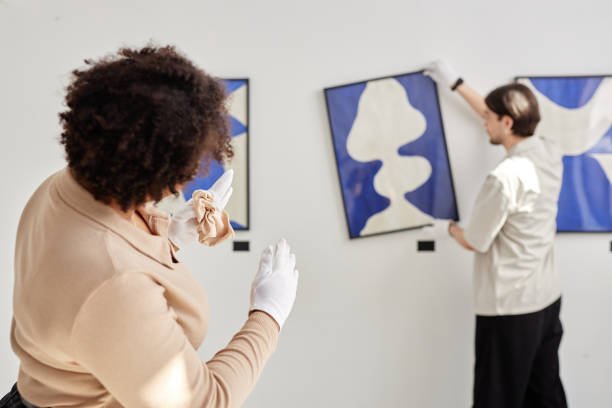
Presentation supports the importance of fine art of ethics. The right frame, lighting, and the position of the work should make it be valued as being a valuable, meaningful, work. To exhibit prints in a manner that shows the viewer they are taken care of, this will send the message that the collector attaches more importance to the print than to the image, but the tale behind the print.
Ethical Collecting Practical Suggestions.
- Conduct research on the artist and production process and then buy.
- Check certification/provenance papers.
- Focus on limited editions in order to gain value.
- Select environmentally friendly materials.
- Foster artists that make work that supports your values.
The steps are useful, as they lower the anxiety levels during the purchase and make collections to be culturally significant and aesthetically fulfilling.
Conclusion: ethical fine art collecting
Ethical fine art collecting merges aesthetic enjoyment with cultural responsibility. Modern collectors value works that celebrate artists, their societies and the environment resulting in the creation of emotional, cultural and long-term value and collections. Having ethical prints is not just about making a statement about oneself, but also about mindfulness and a cultural response.
Those collectors embracing ethical fine art have found a compromise among the beauty, responsibility and lasting meaning of the art, and make their collections a significant, cultural statement.
FAQs
What makes me know whether a print is ethically made?
Look at certification, provenance, and material provenance of the artist. Ethical fine art prints tend to give details on the production methodology, the participation of the artist and limited editions.
Ethical art, can it be a good investment?
Yes. Ethical prints are a fusion of culture with a collector value. The scarcity and superior quality material makes sure that these works can be valued in the long run as they serve worthy causes.

Author bio – Dia Moreau
Dia Moreau is an artist and editorial contributor at FineArtKlub, where she works closely with the team to shape the visual direction, refine content, and ensure that every piece published reflects a consistent artistic standard.
Her background combines practical studio work with a deep interest in how art is experienced, collected, and understood in everyday life. Alongside her role in developing content and maintaining the platform, she continues her own artistic practice, focusing on contemporary portrait work and expressive compositions.
Dia approaches art with a quiet, deliberate mindset. She believes that strong work does not need to be explained loudly - it needs to be felt, lived with, and returned to over time. This perspective is reflected in the way she writes, edits, and curates content for FineArtKlub.
Her contributions often focus on helping collectors make more confident decisions, understanding the subtle differences between decorative and meaningful art, and creating a slower, more intentional approach to collecting.
At FineArtKlub, Dia plays a central role in connecting the artistic vision with the collector’s experience - ensuring that what is presented is not only visually compelling, but also lasting in value and presence.